Tarot
-
The Animist and the AI, Part II: Common Concerns
AI will have a deep impact on creative fields like art, writing, and spirituality. Will AI take away jobs? Will it destroy artistic and spiritual traditions? Or is it a tool that can enhance and augment human creativity? Obviously no one really knows, but I can offer some educated guesses. Continue reading
-
The Chapel for the Vigil
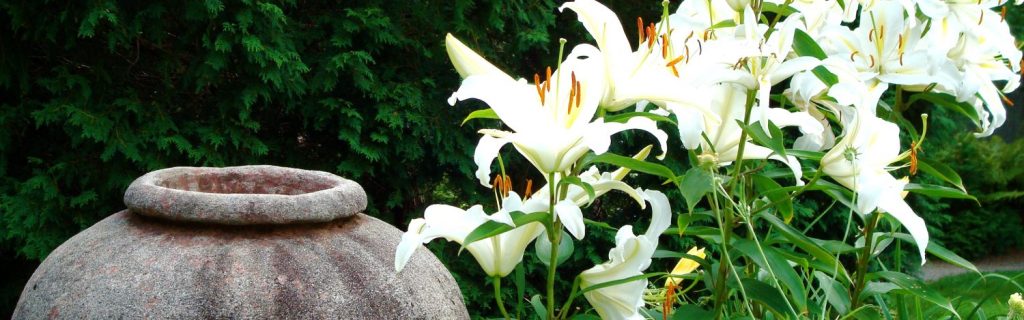
The chapel for the vigil is in A wild forest, a wild stony river, bugs and birds. Heat, but the breezes are cool. The sound of water everywhere. Continue reading
-
Using Meditation and the Tarot to Parent Consciously
Today I’m delighted to welcome a guest author: Kara-Leah Grant, yoga publisher, editor, writer, speaker, teacher, and creator of The Yoga Lunchbox. Enjoy! New Year’s Eve packed a powerful punch for me this year – I broke up with my partner of three and half years two days earlier. It was two weeks before our… Continue reading
-
Steve Pavlina Book Review III: the Tarot for Smart People
In the previous two posts in this series, I reviewed Steve Pavlina‘s new book Personal Development for Smart People, and suggested a way in which his seven principles (Truth, Love, Power, Courage, Authority, Oneness, and Intelligence) could be mapped to the seven visible planets in astrology (the Sun, the Moon, Jupiter, Mars, Saturn, Venus, and… Continue reading
-
The Narnian Tarot
Lewis channels not only the Christian story, but the Universal Story — the one echoed in Gilgamesh, the life of the Buddha, King Arthur, and so on. This is the story that children connect to when they read the books, and the reason for their enduring popularity. Continue reading
-
The Tolkien Tarot Spread III: Fiction and Divination
What does fiction have to do with divination? The common thread is the story structure, the plot. A work of fiction is an illustration of prototypical event structures, plotlines that are moving or meaningful. A divination system also provides plotlines, as well as general elements to flesh out the events of the story. A divination… Continue reading
-
The Tolkien Tarot Spread II: Patterns of Action
Click here for the previous post in this series: The Function of Fiction. Patterns of Plot, Patterns of Life All that is gold does not glitter, Not all those who wander are lost. The old that is strong does not wither; Deep roots are not reached by the frost. From the ashes a fire shall… Continue reading
-
The Tolkien Tarot Spread I: the Function of Fiction
There is no question that Tolkien has had an amazing effect on my life, perhaps more than any other single person, including my parents. I am a linguist today because of The Hobbit. The runes absolutely fascinated me. And then — The Lord of the Rings! Can you imagine the thrill that shot through me… Continue reading
-
Drawing Cards II: Storyboard Results
This past week my wife and I decided to try the Tarot reading technique Slade described in his guest piece here, Drawing Cards: Storyboarding the Tarot. As I’ve mentioned elsewhere, we’re going through some interesting times financially, and we felt like we needed some additional guidance on next steps. The storyboarding technique looked like it… Continue reading
-
Drawing Cards – Storyboarding the Tarot
Guest Author: Eric Slade Roberson of Shift Your Spirits A few months ago, Slade was kind enough to invite me onto his site as a guest author, where I took the opportunity to summarize the How to Choose a Religion series. (That summary has things in it that I still haven’t gotten around to here… Continue reading
About Me
Word, Card, and Star – a journey through language, divination, and inspiration. A chronicle of my search for guidance, insight, and a connection to nature and the ancient world. Along the way, I hope to discover beauty, connection, groundedness, and a sense of wonder.

Recent Posts
Newsletter
Pages
categories
- Abundance
- Ancestors
- Arguments Against Religion
- Astrology
- Atheism
- Christianity
- Consciousness
- Defining Paganism
- Druidry
- Ethics
- Etymology
- Fiction
- Fire Festivals
- Futurism
- Gods
- Guides
- Health
- History
- How to Choose a Religion
- Inner Landscapes
- Language
- Literature
- Magic and Manifestation
- Meaning
- Meditation
- My Favorite Meditation
- Paganism
- Philosophy and Religion
- Politics
- Products
- Reconciling Dreams and Reality
- Relationships
- Religion
- Religion and Magic
- Ritual
- Selling Salvation
- Society
- Sun Festivals
- Tarot
- The Great Bear
- The Structure of Consciousness
- Tolkien Tarot Spread
- Trees and Nature
- Uncategorized
- Word and Spirit
- Writing
- Zen
- Zen and Tarot


 Druid Journal